2026.6.30
囲炉裏の火を絶やすことのないように
SU Interview Vol.03
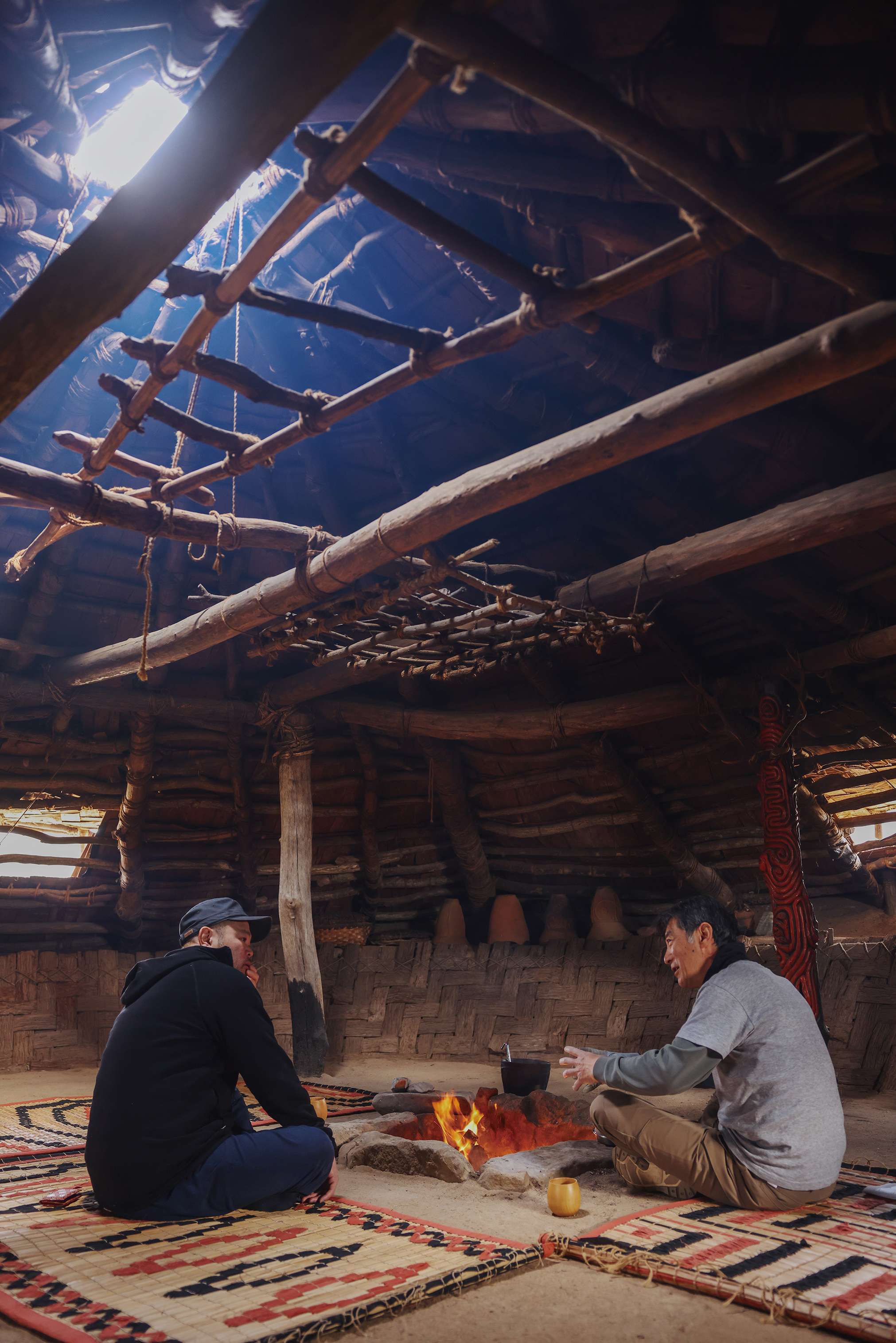
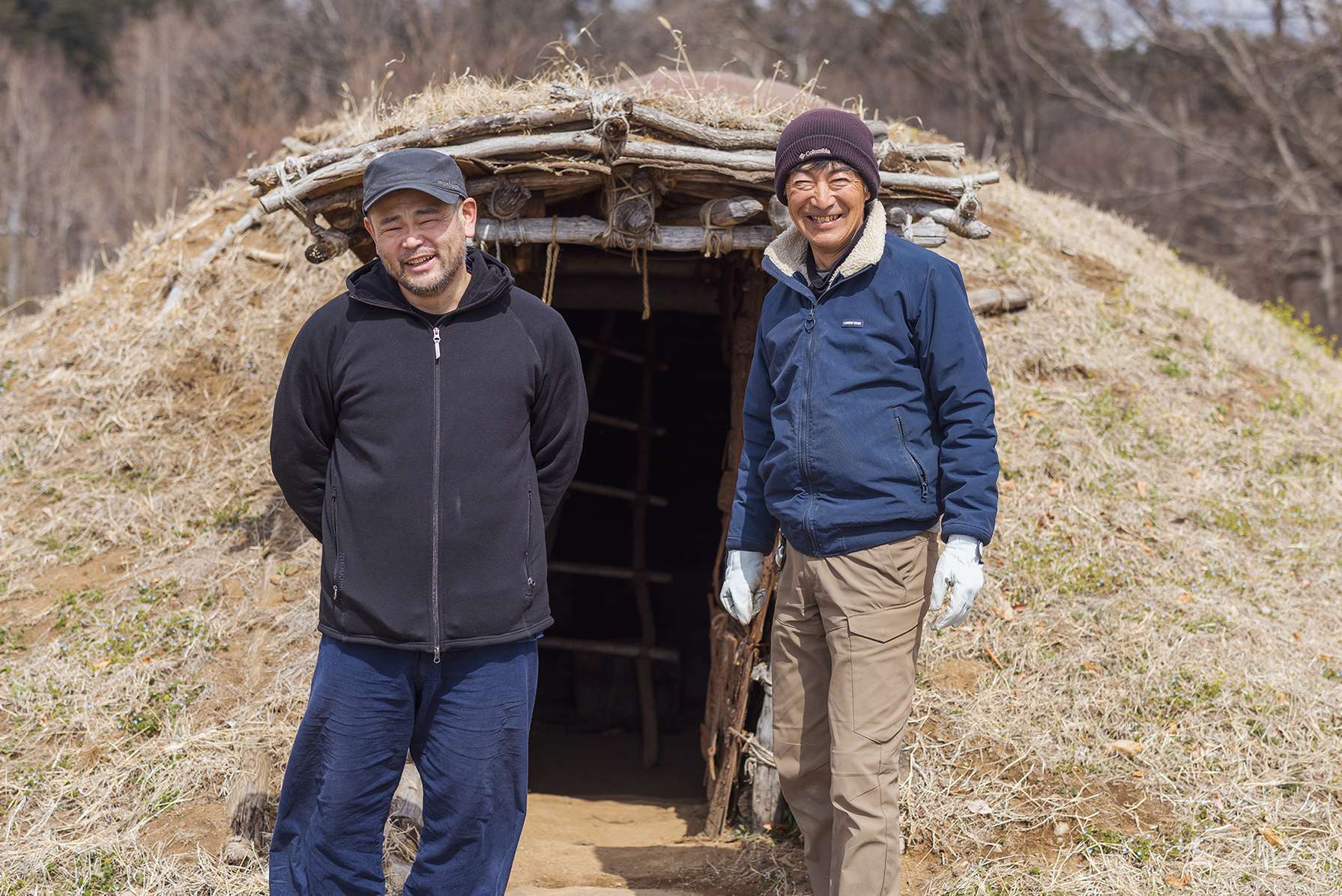
これからのものづくりや心地よい働き方、豊かな暮らしについて、代表の今井久志が対話からヒントを探る連載。第3回目のゲストは、茅ヶ岳歴史文化研究所・主任調査技師の佐野隆さんです。素朴屋の敷地内に新たな建築物を建てることを決め、社員からの提言でコンセプトを縄文時代の集会所と決めた今井。梅之木遺跡公園内の復元された竪穴住居内で焚き火を囲みながら、縄文時代の人や暮らしについての佐野さんの話にじっくりと耳を傾け、建築物のアイデアを探しました。
In this series, SOBOKUYA's CEO Hisashi Imai explores hints for the future of craftsmanship, comfortable work styles, and fulfilling lifestyles through dialogue. The guest for our third installment is Takashi Sano, Chief Research Engineer at the Kayagatake Institute of Historical and Cultural Research. Having decided to construct a new building on SOBOKUYA's premises, Imai adopted the concept of a "Jomon period meeting place" based on a proposal from his employees. Sitting around a bonfire inside a restored pit dwelling at the Umenoki Ruins Park, Imai listened intently to Sano's stories about the people and lifestyle of the Jomon period, seeking inspiration for the new architecture.
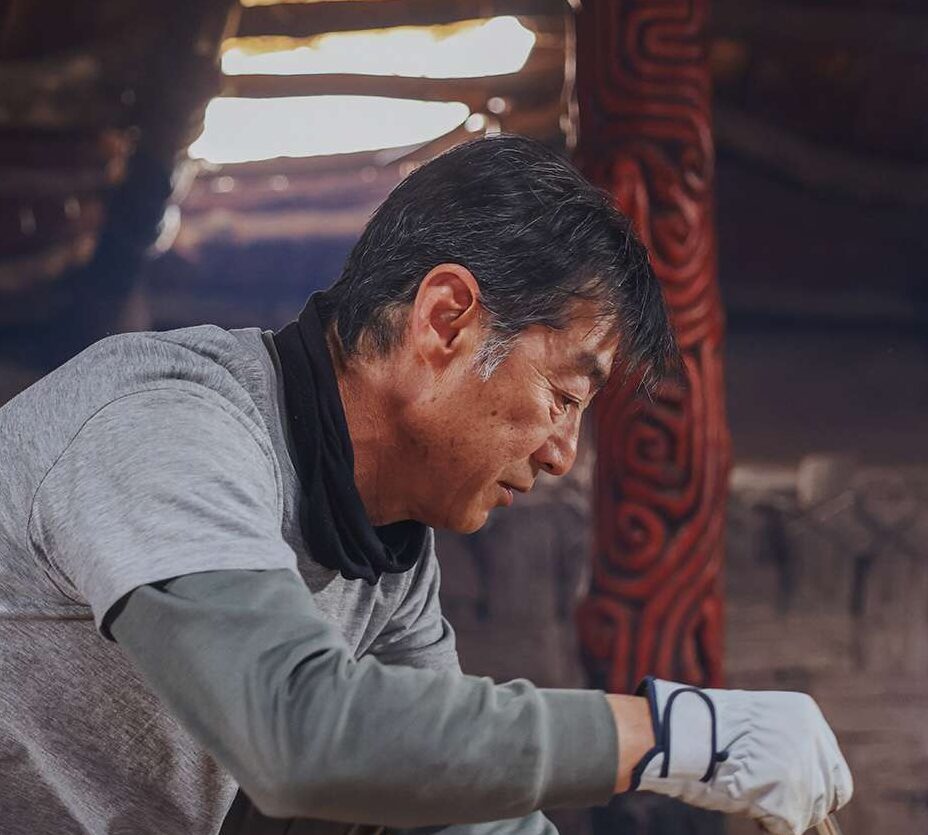
佐野 隆
Takashi Sano
特非)茅ヶ岳歴史文化研究所 主任調査員
山梨県北杜市(旧須玉町)出身。慶応義塾大学文学研究科(民族学・考古学専攻)修士課程単位取得退学。2004〜2007年度に北杜市教育委員会職員として梅之木遺跡の発掘調査と集落の復元に従事。現在は梅之木遺跡公園のガイドを務め、遺跡を活用した体験学習を展開するなど、調査結果を住民に還元する活動に取り組んでいる。
Chief Researcher, Kayagatake Institute of Historical and Cultural Research
Born in Hokuto City (formerly Sutama Town), Yamanashi Prefecture. Left the master's program in the Graduate School of Letters (Ethnology and Archaeology) at Keio University after earning the required credits. From 2004 to 2007, he worked as a staff member of the Hokuto City Board of Education, engaging in the excavation of the Umenoki Ruins and the restoration of the settlement. Currently, he serves as a guide at the Umenoki Ruins Park and develops hands-on learning programs using the ruins, dedicating himself to activities that share research findings with local residents.
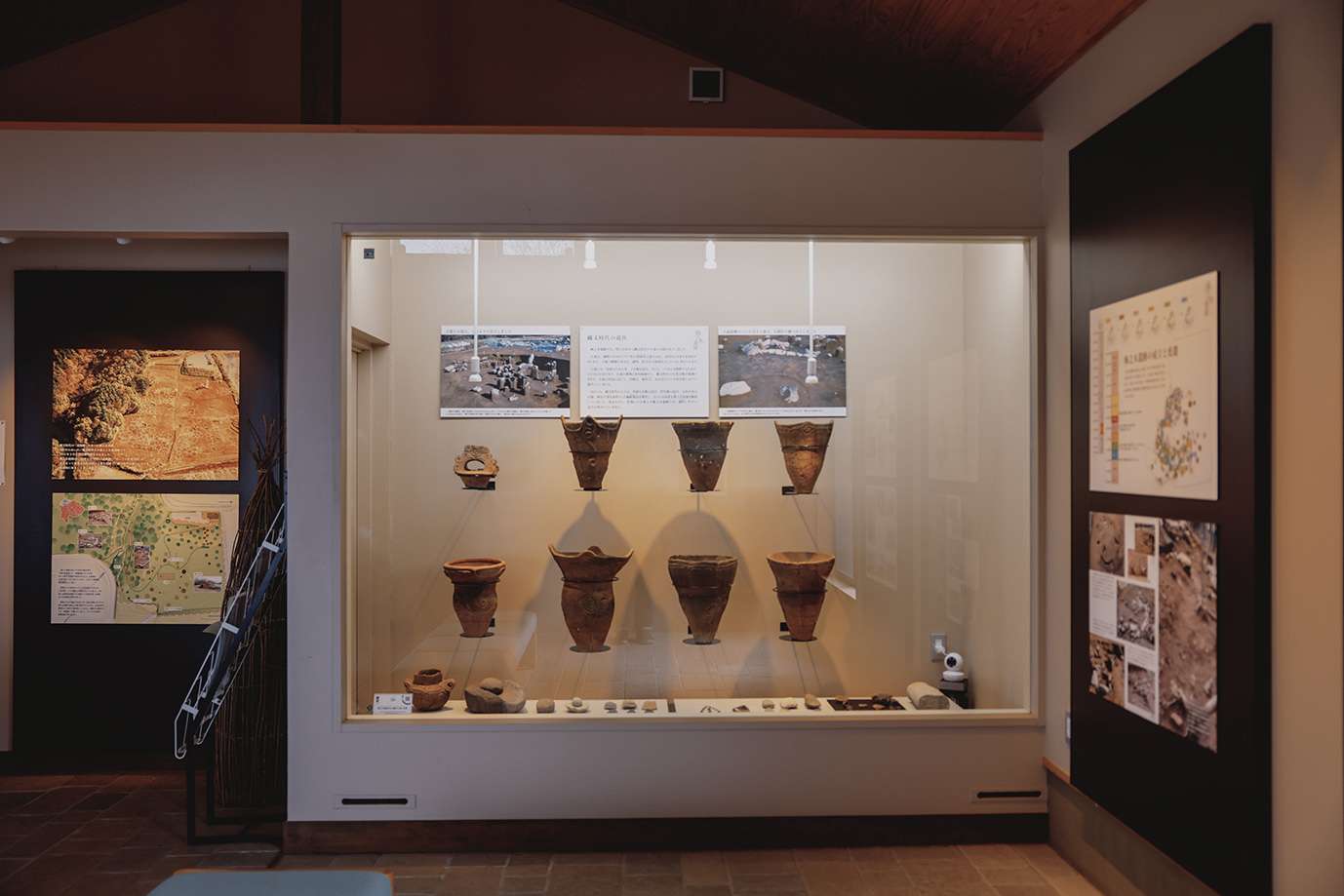
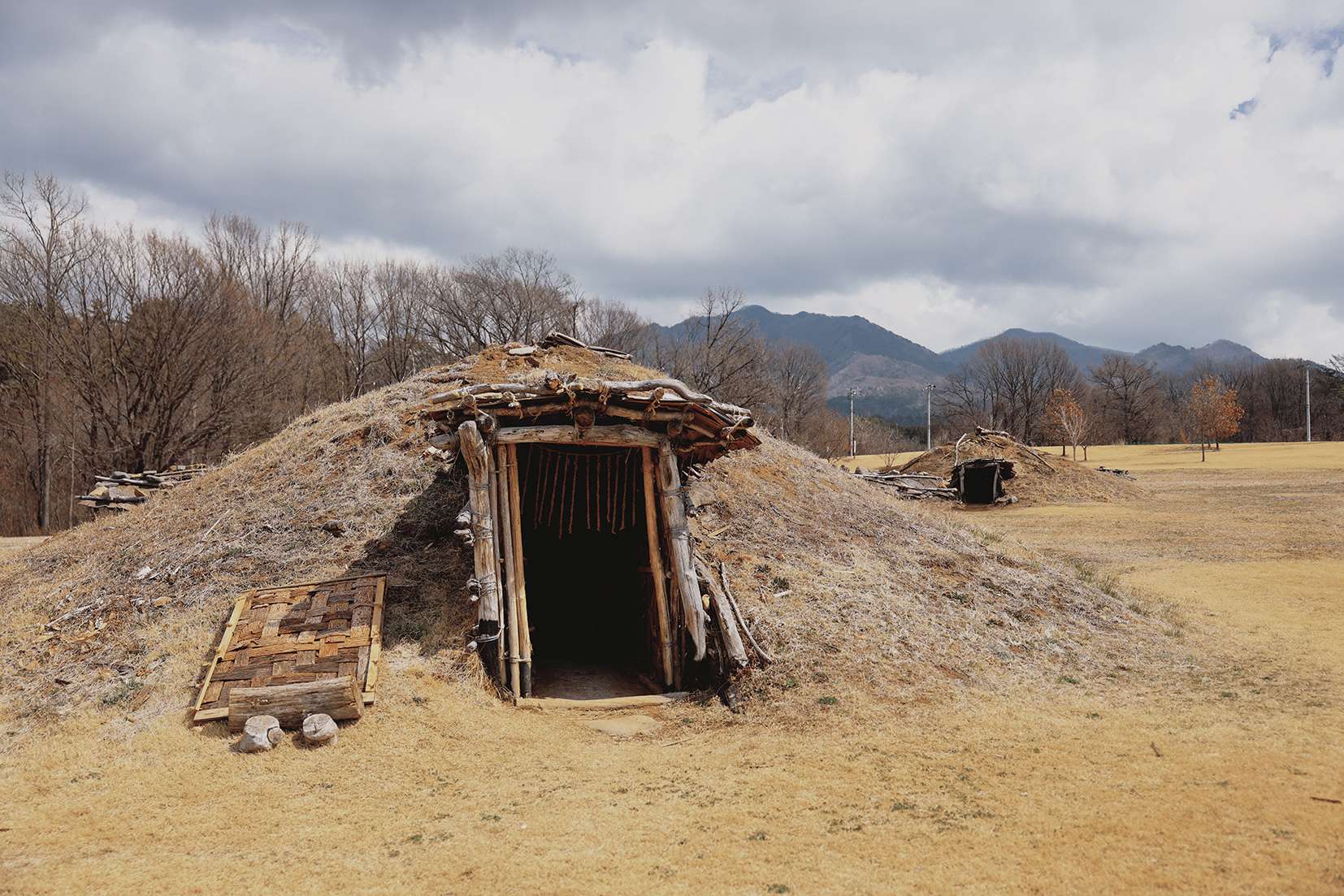
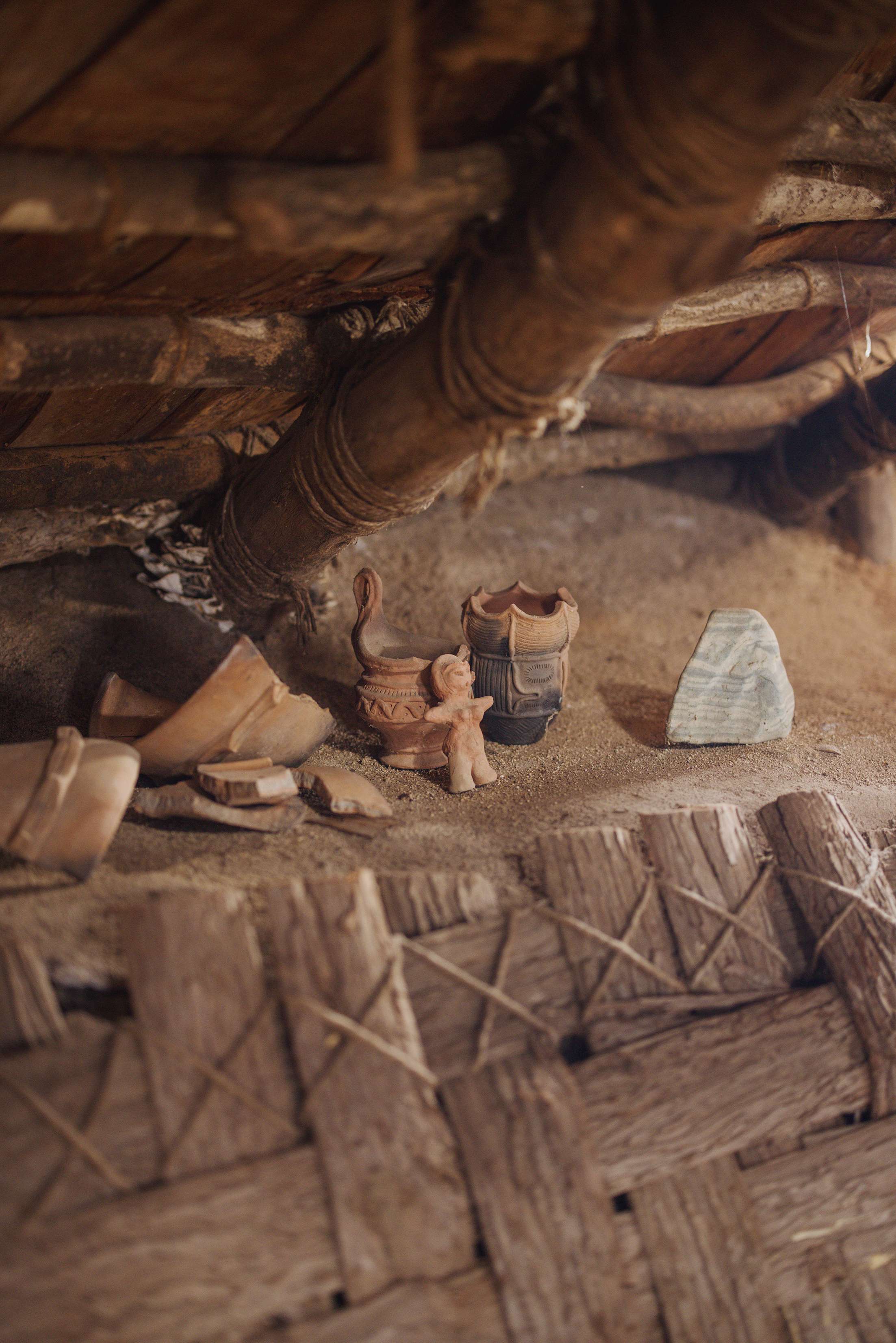
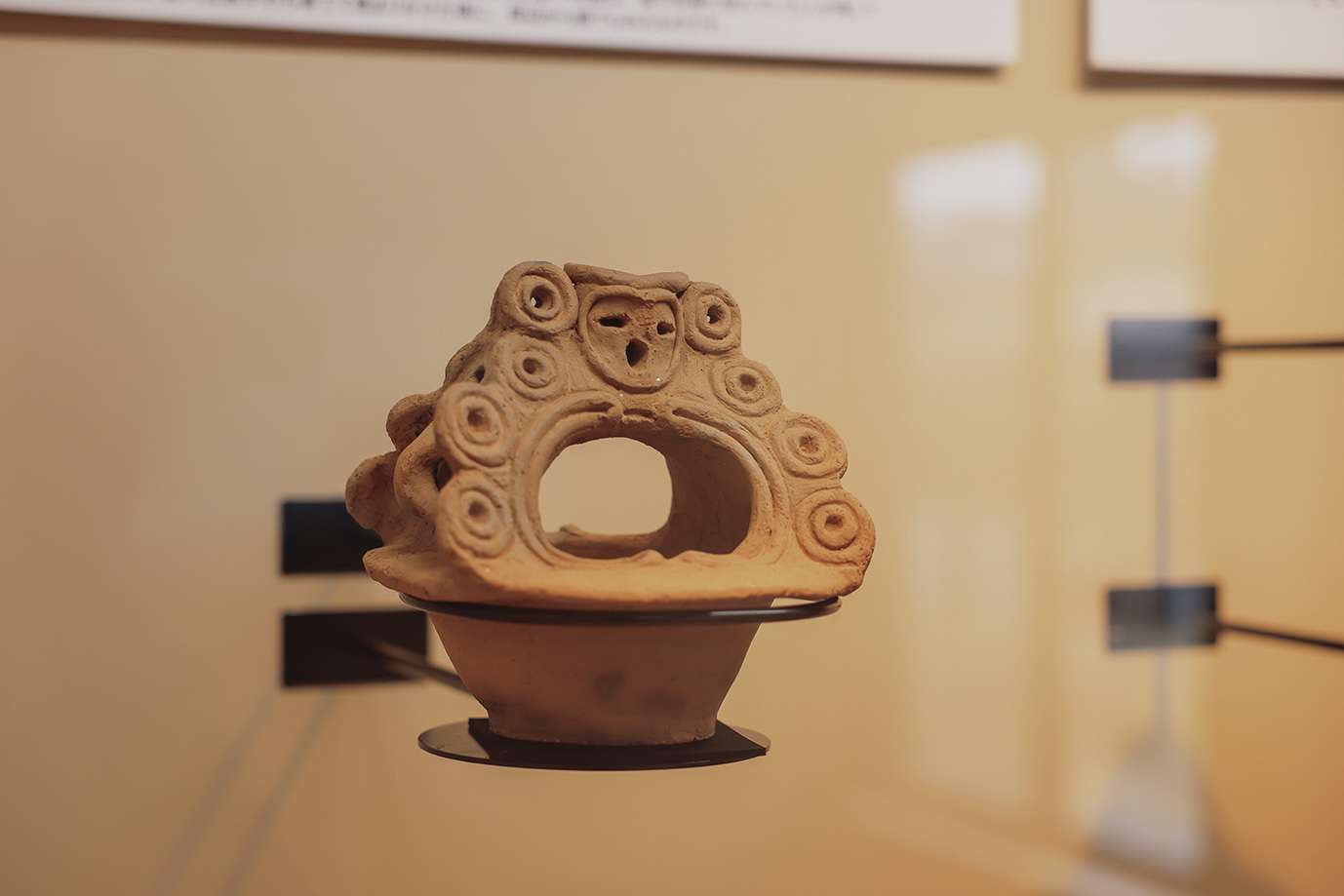
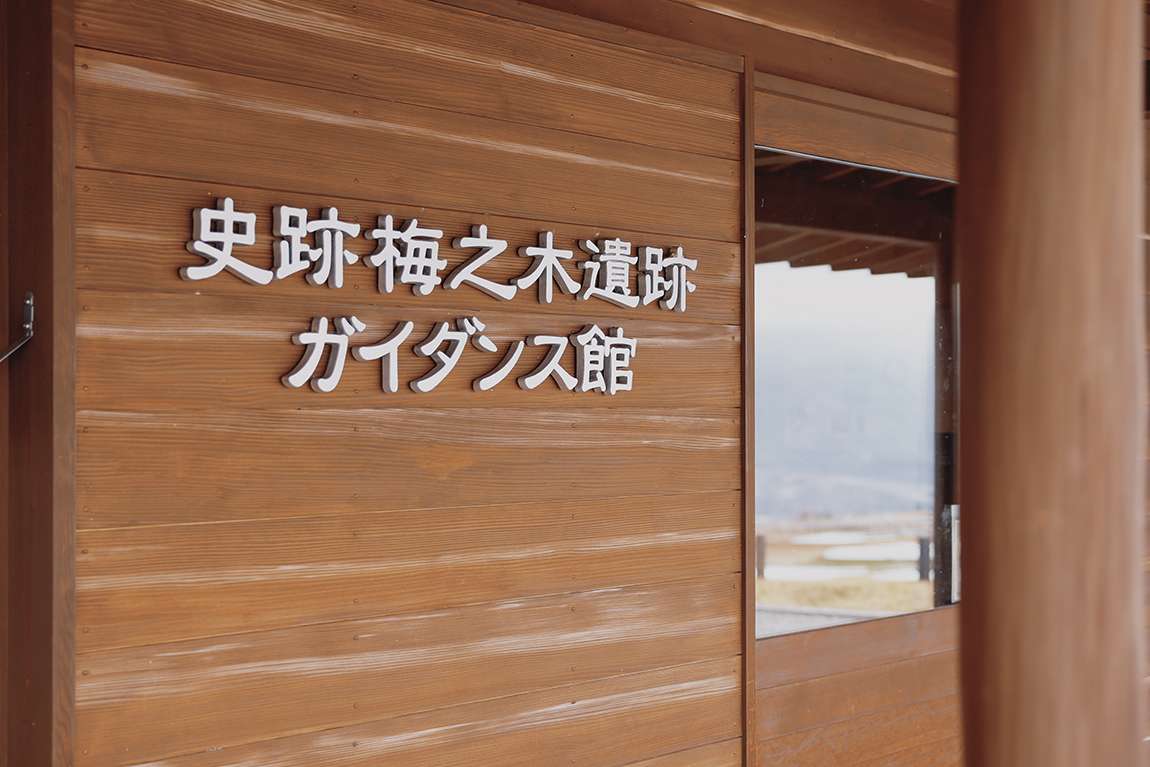
梅之木遺跡は、約5000年前の縄文時代中期の環状集落跡です。住居跡150軒ほどからなる居住域にくわえ、隣接する湯沢川沿いの生活痕跡、居住域から湯沢川へ通じる「縄文の道」が発見され、平成26年3月18日に国史跡に指定されました。現在は、史跡公園に整備され公開されています。ガイダンス施設も併設され、遺跡の解説パネル、遺跡出土品が展示されています。
The Umenoki Ruins are the remains of a circular settlement from the middle Jomon period, approximately 5,000 years ago. In addition to a residential area consisting of about 150 dwelling sites, traces of daily life along the adjacent Yuzawa River and a "Jomon Road" leading from the residential area to the river were discovered. It was designated as a National Historic Site on March 18, 2014. Today, it is maintained and open to the public as a historic park. A guidance facility is also located on-site, displaying explanatory panels and excavated artifacts.
シェルターが縄文の住まいの原点
火を自由に使うのは人間だけ
The Shelter as the Origin of Jomon Dwellings:
Only Humans Can Use Fire Freely
今井 縄文時代は平和で諍いの少ない時代だったのではないか、とうちの社員と話をしていたんです。そんな縄文のイメージから、上下関係なくフラットな形で社員同士がディスカッションできる集会所になればと想像を膨らませていました。
Imai I was talking with my employees about how the Jomon period might have been a peaceful time with few conflicts. Inspired by that image of the Jomon era, I expanded my imagination to create a meeting place where employees could have discussions in a flat structure, free from hierarchical relationships.
佐野隆さん(以下、佐野) 人のつながりや社会関係という観点から縄文に惹かれたということですね。縄文時代は、その時代に生きた人たちの精神性以前に、家族や親族、地域の集団などが互いに助け合い、補い合って暮らしていかないとそもそも生きていけない時代だったと考えています。私が関心を持って縄文で研究しているテーマが、縄文時代の人たちがどんな資源を主に食糧として利用し、それが彼らの社会や精神文化にどんな影響を与えたのかということです。
Takashi Sano (hereafter, Sano) So you were drawn to the Jomon period from the perspective of human connections and social relationships. I believe that, even before considering the spirituality of the people living in that era, the Jomon period was a time when families, relatives, and local groups had to help and complement each other just to survive. The theme I am interested in and researching regarding the Jomon period is what resources people mainly used for food, and how that influenced their society and spiritual culture.
今井 そもそも佐野さんは、なぜ縄文時代のことを研究しようと思ったんですか?
Imai In the first place, why did you decide to research the Jomon period, Mr. Sano?
佐野 私は学校が大嫌いで、現代だと不登校になるようなタイプの子どもでした。幼い頃の私が常日頃思っていたのは、なぜ学校に行く必要があるのか。いじめられているわけではなかったのですが集団に馴染めず、みんなと同じことをしないといけないことがどうしても我慢できなかった。子どもなりに考え続けて中高生になってくると、どうも日本国という国があるからに違いないと思うようになりました。義務教育があり、子どもには教育を受ける権利があると言っているけれど、権利なんてなくても画一的な学校に押し込められるだけ。その学校に問題があるのではと考えました。
Sano I hated school and was the type of child who would be considered a truant in modern times. When I was young, I constantly wondered why I needed to go to school. I wasn't bullied, but I couldn't fit into the group, and I simply couldn't stand having to do the same things as everyone else. As I continued to think about it in my own childlike way into middle and high school, I began to think it must be because there is a country called Japan. They say there is compulsory education and children have the right to receive it, but even without such rights, we are just forced into uniform schools. I thought there was a problem with the schools themselves.
今井 学校がダメだと思ったんですね。
Imai You thought schools were no good, then.
佐野 はい。学校があるのは国があるからで、なぜ人間は国家なんて巨大な組織を必要としたのだろうと考えるようになりました。昔の人は国家なんてなくても生きていけるし、他の動物だって巨大組織を持たなくても生きていられる。なぜ人間だけがそうなったのだろう、と思って歴史に関心を持つようになったんですよね。大学なんて行く気はなかったのですが、なぜ国家ができたのかを自分なりに理解しなければいけないと思うようになり、慌てて受験勉強を始めました。
Sano Yes. Schools exist because the country exists, so I began to wonder why humans needed such a massive organization as a state. People in the past could live without a state, and other animals survive without huge organizations. Wondering why only humans turned out this way sparked my interest in history. I had no intention of going to university, but I realized I needed to understand for myself why states were formed, so I hurriedly started studying for entrance exams.
今井 大学ではどんな勉強をされていたんですか?
Imai What did you study at university?
佐野 まずは歴史を学びました。ところが、国家の起源を考えていくと、どんどん古い時代に遡っていく。いわゆる古代文明を通り越して、考古学の世界に入っていかざるを得ないんですね。その後農耕社会について学び、人間が社会をつくるという原点を知るためには狩猟採集民の社会を知る必要があると気づきました。山梨に戻って北杜市で仕事をするようになり、縄文遺跡に接するようになってから縄文についてより関心を持つようになりましたね。
Sano First, I studied history. However, as I thought about the origins of the state, I kept going further back in time. I had no choice but to go beyond the so-called ancient civilizations and enter the world of archaeology. Later, I learned about agrarian societies and realized that to understand the origin of human society, I needed to know about hunter-gatherer societies. After returning to Yamanashi and working in Hokuto City, I came into contact with Jomon ruins, which deepened my interest in the Jomon period.
今井 集会所の話に戻しますが、素朴屋としても穏やかで安心して働ける場所であることはとても重要だと考えているのですが…逆を言うと、向上心を持っている人間を集めようとすると、経営側から競争をつくり出す必要があるんですね。もしかすると縄文のコンセプトと相反するのではと思い始めてきたのですが、その辺りはいかがですか?
Imai Returning to the topic of the meeting place, we at SOBOKUYA also believe it is very important to have a calm and safe place to work... Conversely, if we want to gather ambitious people, the management side needs to create competition. I've started to wonder if this might contradict the Jomon concept. What are your thoughts on that?
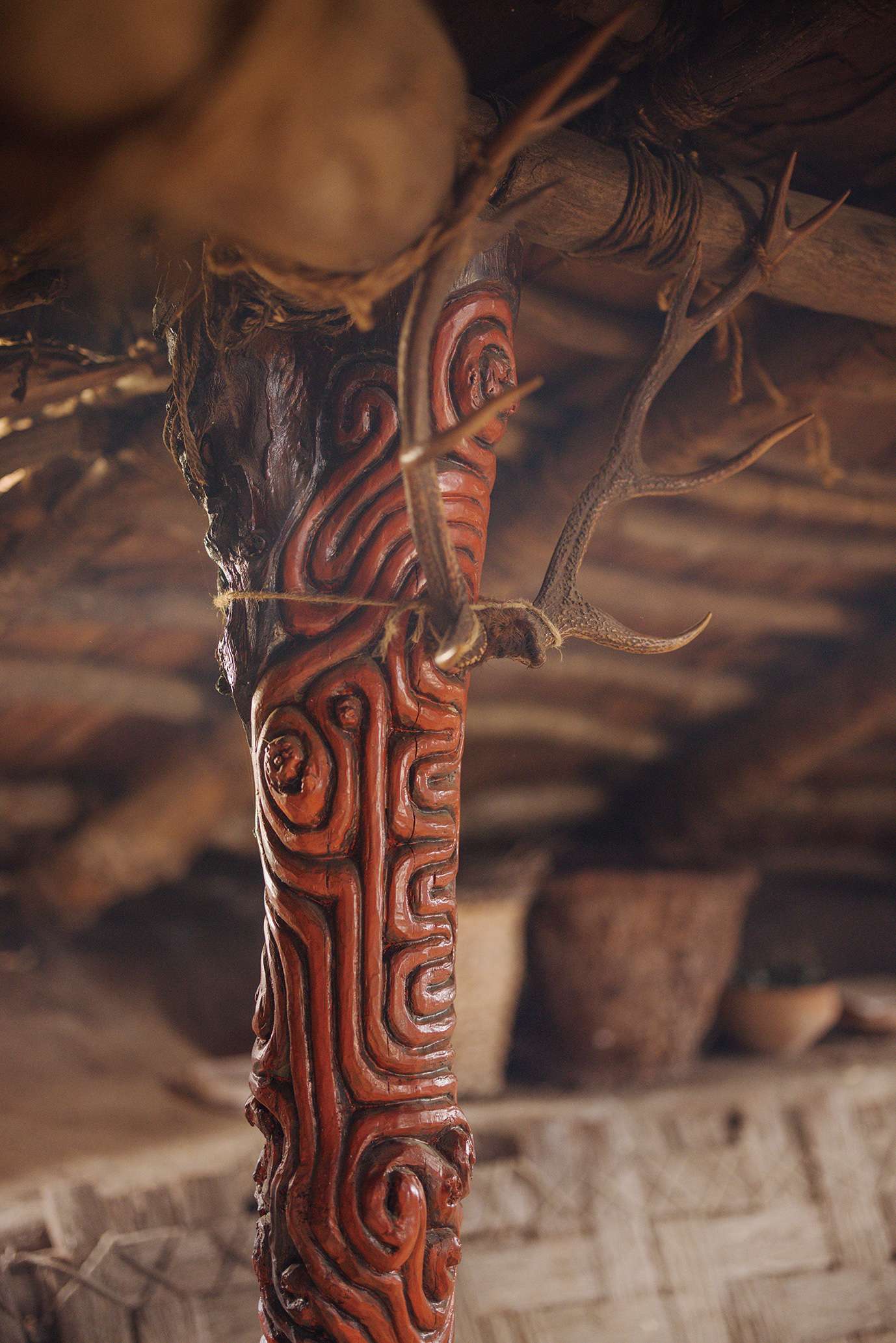
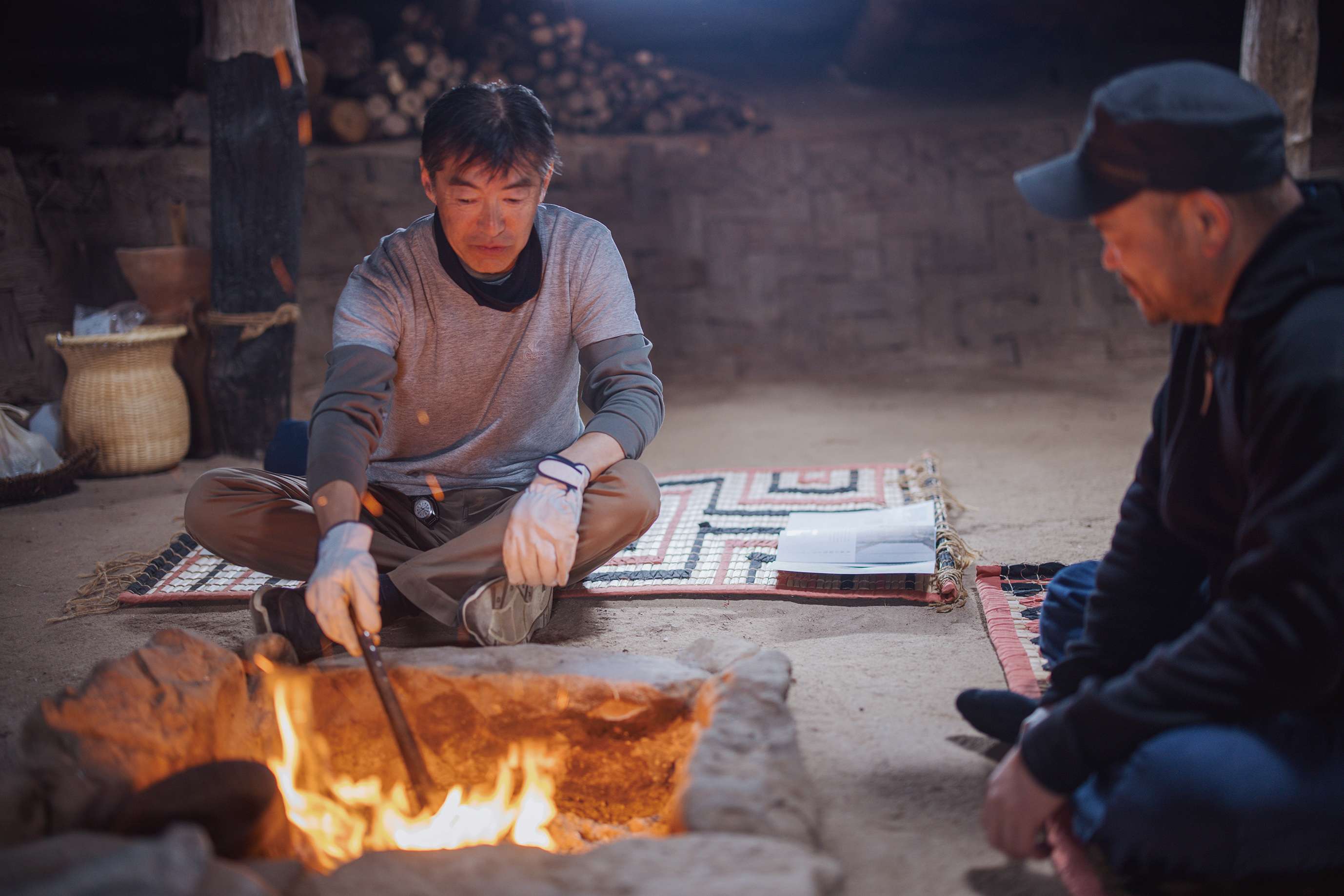
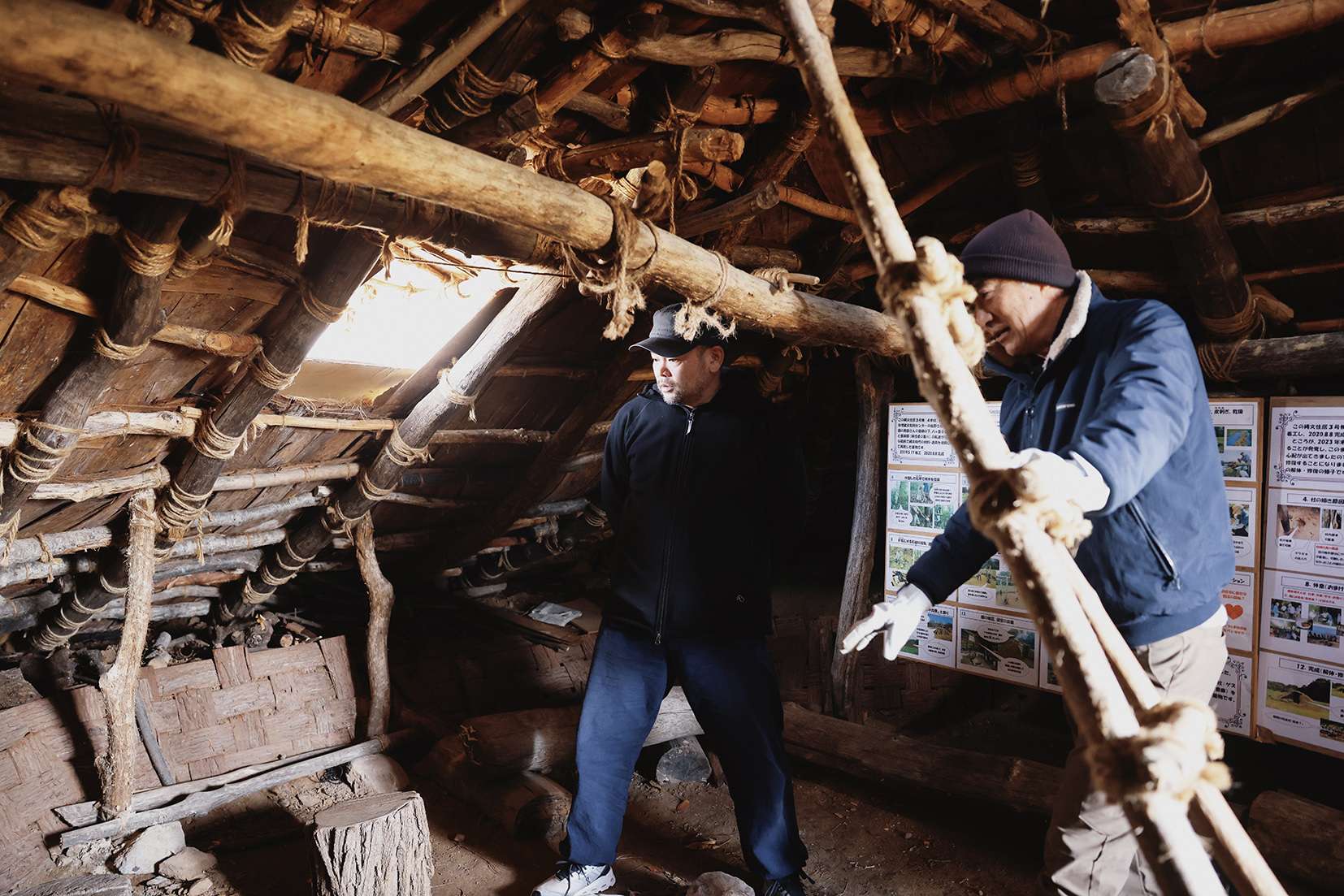
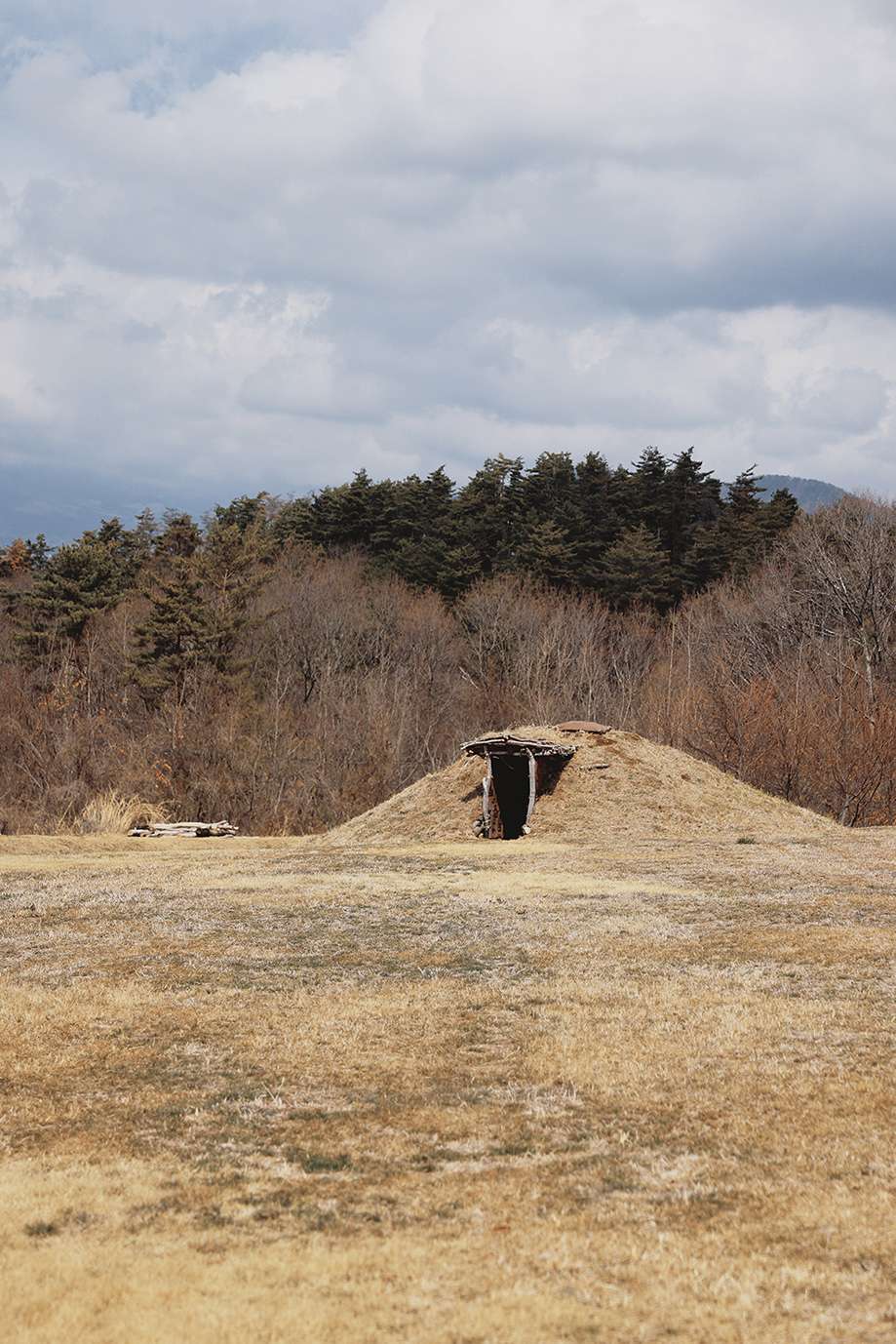
佐野 この竪穴住居では本来の住まいとしての機能を体感してほしいので、こうして火を焚いて折に触れて使うようにしています。ありがたみを一番感じるのが冬です。命を守るためのシェルターであることを強く感じます。子育てをするためのシェルターとも言えると思っていて、それが縄文の住まいの原点だと思うんですよ。
縄文時代の後期になると、集会所ができるんです。集落の入り口辺りにあって、村の人も利用するけど、それ以上に遠くから来たお客さんをもてなしたり、泊まってもらうためのゲストハウスという役割もあったみたいです。
Sano I want people to experience the original function of this pit dwelling as a home, so I light a fire and use it from time to time like this. We feel its value most in winter. I strongly feel that it is a shelter to protect lives. I think it can also be called a shelter for raising children, and I believe that is the origin of Jomon dwellings.
In the late Jomon period, meeting places appeared. They were located near the entrance of the settlement and were used by the villagers, but it seems they also served as guest houses to entertain and accommodate visitors from afar.
今井 その辺りを深く調べていくと面白そうですね。
Imai It sounds fascinating to research that area deeply.
佐野 縄文時代に限らず、世界中のいわゆる土着建築といいますか、著名な建築家ではなくそこで暮らす人たちが工務店に頼まずに自分たちでつくり上げた伝統的な建築も面白いですよ。地域の気候風土や歴史文化が凝縮されています。どんな家をつくり、どんな村をつくるのか、そしてどんな集会所をつくるのかというのも千差万別でデザインもユニーク。素朴屋さんの集会所は競争させないといけないという話でしたね。
Sano Not just in the Jomon period, but so-called vernacular architecture around the world—traditional buildings created not by famous architects but by the people living there, without relying on construction companies—is also interesting. The region's climate, natural features, history, and culture are condensed within them. What kind of houses they build, what kind of villages they form, and what kind of meeting places they create are all diverse and uniquely designed. Going back to your point, you mentioned that SOBOKUYA's meeting place needs to foster competition.
今井 今はそう思っています。
Imai That's what I think right now.
佐野 でも競争ばかりしていると人間はくたびれます。競争、競争と追い詰められていくと、どんどんクリエイティビティは低下していくと思うんですよ。
Sano But if people are always competing, they get exhausted. I think if they are cornered by constant competition, their creativity will steadily decline.
今井 それはおっしゃる通りですね。
Imai That is exactly right.
佐野 そこでシェルターが重要になってきます。その場所に行ってホッとひと息ついたり、目先を変えて気分転換してみたり。するとポッとアイデアが湧いてくるかもしれない。もう一度競争の場に打って出るか、という力がみなぎってきたりね。
Sano That's where the shelter becomes important. Going to that place to take a breather, change your perspective, and refresh your mood. Then, an idea might suddenly pop into your head. Or you might feel a surge of energy to step out into the competitive arena once again.
今井 そうですね。逃げ場は大事ですよね。先ほど土着の建築の話がありましたが、僕自身はお金をいただいて人のためにつくるよりも、自分で使うために設計しているときが一番モチベーションが高い。本当はよくないのかもしれないけれど。
Imai I agree. Having a refuge is important. You mentioned vernacular architecture earlier, and personally, I am most motivated when I am designing something for my own use rather than receiving money to build for others. It might not be the right thing to say, though.
佐野 大切なことですよね。クリエイターの原点じゃないですか。芸術家は誰かの役に立つとか、喜ばせたいとか、何も考えていないですよね。ただ自分がやりたいからやっている。しかしながら、おそらく社員さんの中には人のためにつくりたいという人もいますよね。
Sano It's an important thing. Isn't it the origin of a creator? Artists don't think about being useful to someone or making someone happy. They just do it because they want to. However, there are probably some among your employees who want to build for the sake of others, right?
今井 そういう社員がいないと成り立っていないと思います。縄文後期の集会所の話は取り入れてみたいですね。なぜ争いがなかったのか、なんとなく腑に落ちた気がします。
Imai Our company wouldn't function without those employees. I'd like to incorporate the idea of the late Jomon period meeting place. I feel like I've somewhat understood why there were no conflicts.
佐野 戦争という意味では争いはないのですが、縄文人も人間なので虚栄心もあるし、あいつに勝ちたいという競争心もあります。特に若い人たちは、今と同じく女の子にモテたいからいいところを見せたい、そういう気持ちが必ずあったと思います。おそらく多くの狩猟採集民がそうなのですが、歌や踊りのうまさや狩の腕など、個人のパフォーマンスを誇る。そういう部分で競争はあった。ただ、それが権力には結びつかない。面白いのは、多くの社会がそうなのですが腕のいい狩人というのは当然尊敬される。村に肉をもたらしてくれるからです。いくら栗や胡桃を食糧としていたって、肉を食べたいですよね。絶対そうだと思う。
Sano In the sense of war, there were no conflicts, but Jomon people were human too, so they had vanity and a competitive spirit to beat others. Especially young people, just like today, wanted to be popular with girls and show off their good sides—I'm sure they had those feelings. This is probably true for many hunter-gatherers, but they took pride in individual performances, such as skill in singing, dancing, or hunting. There was competition in those areas. However, that did not lead to power. What's interesting is that, as in many societies, a skilled hunter is naturally respected. It's because they bring meat to the village. No matter how much they relied on chestnuts and walnuts for food, they definitely wanted to eat meat. I'm absolutely sure of it.
今井 本能でしょうね。
Imai It must be instinct.

佐野 罠をいろんな方法でつくっていたとは思いますが、小さな黒曜石の矢じりでイノシシやシカを仕留めることはなかなか大変です。狩の腕がいいことでものすごく尊敬されるんですよね。尊敬されるということは人望を集めて、場合によってはその人が権力者に成り上がっていく可能性がありますが、多くの狩猟採集社会ではそれをすごく嫌がるんです。
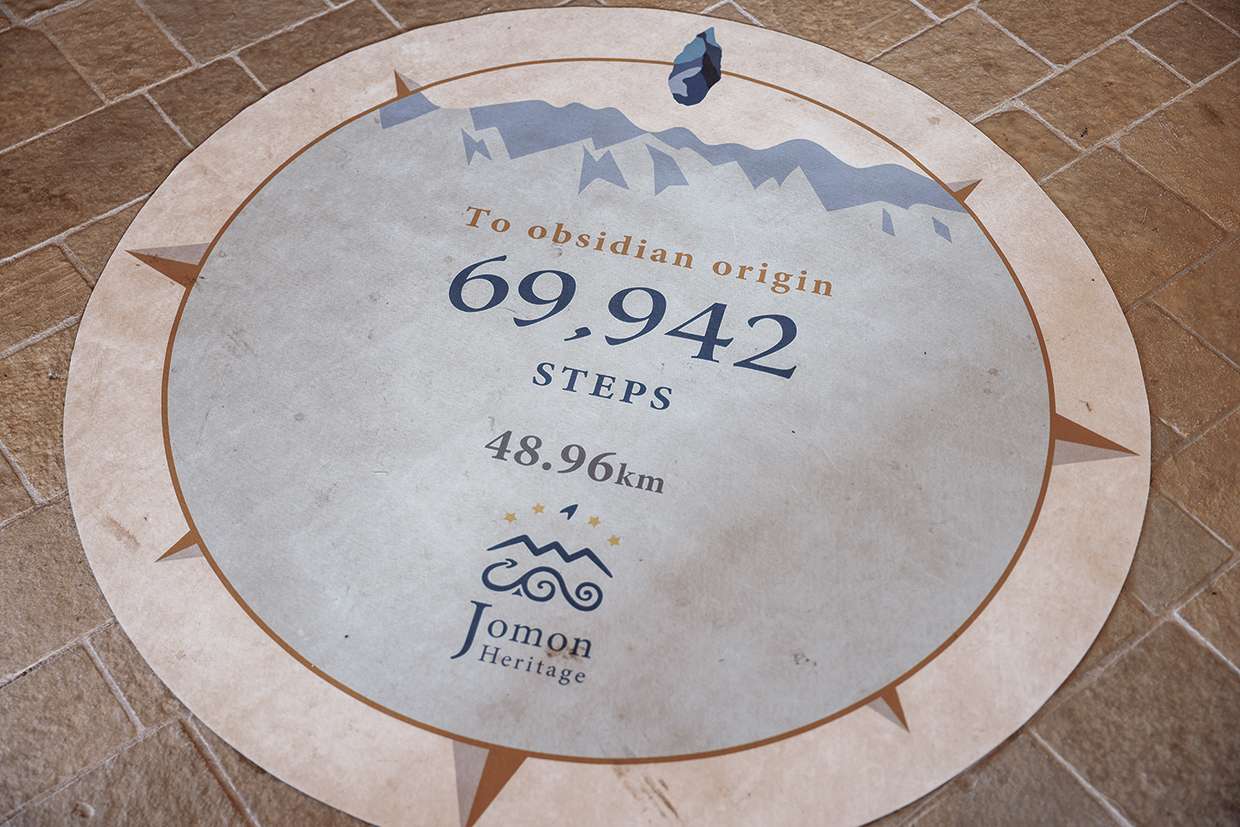
Sano I'm sure they made traps in various ways, but taking down a wild boar or deer with a small obsidian arrowhead is quite difficult. Being a skilled hunter earned immense respect. Being respected means gathering popularity, and in some cases, that person could rise to become a figure of power. However, many hunter-gatherer societies strongly dislike that.
今井 社会が、ということですか? なぜでしょうか。
Imai You mean the society dislikes it? Why is that?
佐野 長い人類の進化の歴史で、ホモ・サピエンスはオス同士が協調し合って平等性を確保することで進化してきたからです。
Sano Because throughout the long history of human evolution, Homo sapiens evolved by males cooperating with each other to ensure equality.
今井 刷り込まれているわけですね。
Imai So it's hardwired into us.
佐野 ですので、必要に応じてリーダーを決めるということはあると思いますが、フラットな関係の友達付き合いの中で権力者が出現すると嫌じゃないですか。人類はそういう本能を持っている。狩人が仕留めてくると、自分が最初に分け前をもらうのではなく、最後に分け前をもらうんですよね。獲物を切って分けるのは仕留めた本人ではなく違う人がやる。そうして一人の人物に人望が集まらない仕組みを文化的につくってるんですよね。
Sano Therefore, while they might have chosen a leader when necessary, wouldn't you dislike it if a powerful figure emerged within a flat, friendly relationship? Humanity has that instinct. When a hunter makes a kill, they don't take their share first; they receive it last. Cutting and dividing the prey is done by someone other than the hunter. In this way, they culturally created a system to prevent popularity from concentrating on a single individual.
今井 心の中にどこかしら感謝の思いがあるということですか?
Imai Does that mean there is some feeling of gratitude in their hearts?
佐野 そうなんですよ。みんな一目を置いているんです。「実るほど頭を垂れる稲穂かな」ということわざがあるけれど、縄文時代の人はそういうメンタリティを持っているかもしれないですね。自慢してはいけないし、自惚れてはいけない。
Sano Exactly. Everyone acknowledges them. There is a Japanese proverb that goes, "The boughs that bear most hang lowest" (The more mature the rice ear, the deeper it bows its head). Jomon people might have had that kind of mentality. You shouldn't boast, and you shouldn't be conceited.
今井 それが結果的に生き残るコツだった。
Imai And that ultimately became the secret to survival.
佐野 相互作用でその集団の生存力を高めていたのではないでしょうか。だから私は競争させるというよりも、チームの輪を保ちながら各々の得意不得意をうまく補い合い、全体としてパフォーマンスを高める雰囲気をつくっていくことが大切だと感じます。和気あいあいとしすぎてもいけないと思うし、競争ばかりで助け合いを忘れてもいけないですよね。それを建築でどう表現するのかが今井さんの腕の見せどころですね。
Sano I believe that through mutual interaction, they enhanced the survival capability of the group. That's why I feel it's important to create an atmosphere that enhances overall performance by skillfully complementing each other's strengths and weaknesses while maintaining team harmony, rather than just fostering competition. I don't think it should be too overly friendly, nor should it be all about competition, forgetting mutual support. How you express that through architecture is where you can show your skill, Mr. Imai.
今井 今日焚き火にあたりながら話を伺ったのはとても大きかったですね。火が目の前にあることはやはり重要で、クリエイティビティの根幹にある気がします。建物内に囲炉裏を入れることに決めました。
Imai Listening to your stories today while sitting by the bonfire was very significant. Having fire right in front of us is indeed important, and I feel it lies at the core of creativity. I've decided to include a hearth inside the building.
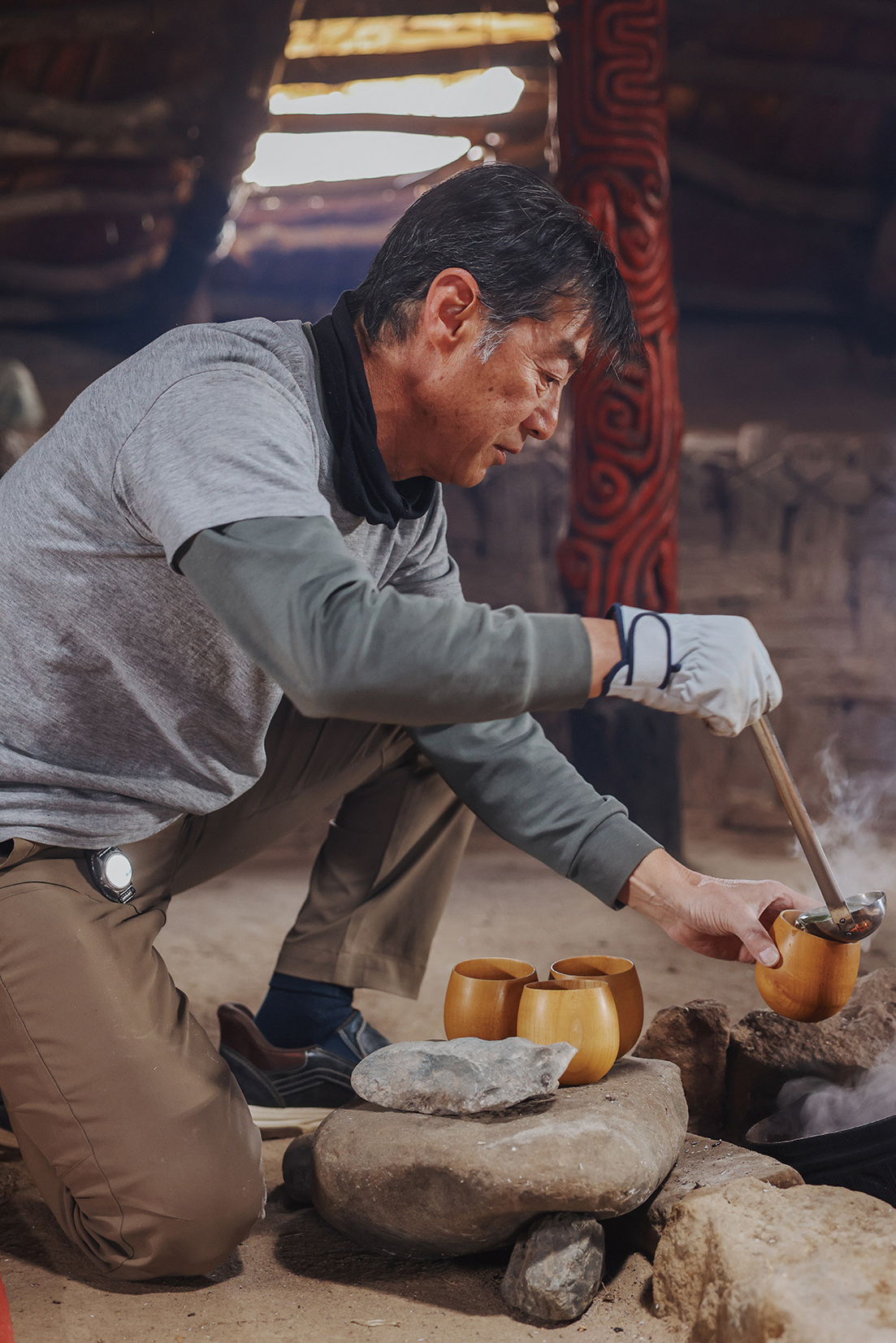
佐野 ぜひ。私も一番大事な要素だと思います。火を自由に使うのは人間だけなんですよ。我々は40万年間もこの火と付き合ってきていて、火から何かを感じることがホモ・サピエンスの本能として刷り込まれているのではないかとも感じます。こうして竪穴住居の中で火を焚いていると、史跡に来た人たちが必ず入ってきて、座り込んでおしゃべりしたり、人によってはぼーっと1時間でも2時間でも火の周りにいる方もいますよ。きっとお仕事でお疲れなんだろうなと思いながら、火を絶やさないようにしています。みんなで囲炉裏を囲み、漬物をつまみながらお茶を飲んで、他愛もない話をしていたらアイデアが湧いたり、やる気が出てくると思うんですよね。
Sano By all means. I also think it's the most important element. Only humans can use fire freely. We have been interacting with fire for 400,000 years, and I feel that sensing something from fire might be hardwired into us as an instinct of Homo sapiens. When I light a fire in the pit dwelling like this, visitors to the historic site always come in, sit down, and chat. Some people just space out around the fire for an hour or two. I keep the fire burning, thinking they must be tired from work. I believe that if everyone gathers around the hearth, nibbling on pickles, drinking tea, and having trivial conversations, ideas will spark and motivation will grow.
史跡梅之木遺跡公園
Umenoki Ruins Historic Park
山梨県北杜市明野町浅尾6315
開館時間:午前9時~午後5時
月曜、祝祭日の翌日、年末年始休館
6315 Asao, Akeno-cho, Hokuto City, Yamanashi Prefecture
Opening Hours: 9:00 AM - 5:00 PM
Closed: Mondays, the day after public holidays, and year-end/New Year holidays